General Contractor Insurance

Fast Quotes. Trusted Coverage. Call: (888) 973-0016

Complete guide to liability protection

General Contractor Insurance

Construction is one of the most litigated industries in the country. A subcontractor gets hurt on your job site. A passerby gets struck by debris. Without the right insurance, that bill is yours.

Farmer Brown Insurance has been placing general contractors’ insurance across all 50 states since 1996. We work with A-rated carriers, issue certificates the same day in most cases, and never charge for COIs.

What is general contractor insurance?

General contractors insurance is not a single policy. It is a combination of policies that together cover the range of risks a construction business faces. The core is general liability insurance. Around it, most GCs also carry workers compensation, commercial auto, inland marine for tools and equipment, and surety bonds for contracts that require them.

For new businesses, getting general liability in place before the first job is not optional. Most property owners and project managers require proof of coverage before signing any contract, and some states require it to issue a contractor’s license.

Some GCs also carry a Business Owner’s Policy, or BOP, which combines general liability and commercial property coverage into a single policy at a lower total cost than buying each separately. Whether a BOP makes sense depends on whether you have a physical location with assets worth insuring.

Each policy covers a different category of loss. None of them overlaps. A claim that falls between two policies is where contractors get hurt. Getting the combination right matters as much as getting the individual policies.

General contractor liability insurance coverage

General liability insurance is the foundation of any contractor insurance package. This policy protects contractors when their work causes bodily injury to third parties or property damage to someone else’s property. Contractors liability insurance protects your business from claims that could otherwise drain your bank account.

What does General Liability Insurance cover?

A general liability insurance policy provides coverage for several types of claims that construction businesses commonly face:

Bodily injury to third parties

Bodily injury to third parties

If a client, visitor, or bystander gets hurt because of your operations, the policy covers their medical expenses, lost wages, and any legal costs if they sue. Serious injuries on a job site can generate claims well above $100,000 before reaching court.

Property damage

Property damage

If your work damages a client's property or a neighboring property, general liability pays for repairs or replacement. A contractor who cracks a foundation wall, a crew that damages a neighboring building's facade, a subcontractor who floods an occupied unit below the work zone.

Personal and advertising injury

Personal and advertising injury

Libel, slander, copyright infringement, or invasion of privacy related to your business operations or marketing. Less common than the first two but covered under the same policy.

Medical payments

Medical payments

This coverage pays medical expenses for minor injuries without requiring a lawsuit, typically up to $5,000.

Products and completed operations

Products and completed operations

If your finished work causes injury or property damage after the project is complete, this coverage applies. A deck that collapses a year after installation. A roof that leaks because of an installation error. Standard general liability policies include this and it matters for any contractor who builds or installs anything.

Legal defense costs

Legal defense costs

The policy covers legal fees to defend against covered claims even if the lawsuit has no merit. Defense costs on a single lawsuit can run $30,000 to $50,000 before a verdict is reached.

What General Liability Insurance does not cover

Understanding what your general liability coverage excludes helps you identify gaps in your insurance coverage. A standard general liability policy does not provide coverage for:

Employee injuries

Employee injuries

Requires workers compensation insurance

Vehicle accidents

Vehicle accidents

Requires commercial auto insurance

Theft of tools and equipment

Theft of tools and equipment

Requires inland marine coverage

Professional mistakes or design errors

Professional mistakes or design errors

Requires professional liability insurance

Faulty workmanship that does not cause bodily injury or property damage

Faulty workmanship that does not cause bodily injury or property damage

Employee theft from clients

Employee theft from clients

Requires an employee dishonesty bond

Business insurance every general contractor needs

While general liability insurance forms the core of your protection, most construction businesses need additional coverage to address their specific business needs. Here are the essential policies that offer coverage for the unique risks contractors face:

Workers Compensation Insurance

Workers compensation insurance is required by law in almost every state if you have employees. This policy covers medical bills, lost wages, and rehabilitation costs for workplace injuries sustained during construction activities.

Workers comp also provides financial protection against lawsuits from injured employees. Without this coverage, you face significant legal fees, medical expenses, and potential fines for violating state law.

workers compensation insurance

Commercial Auto Insurance for construction businesses

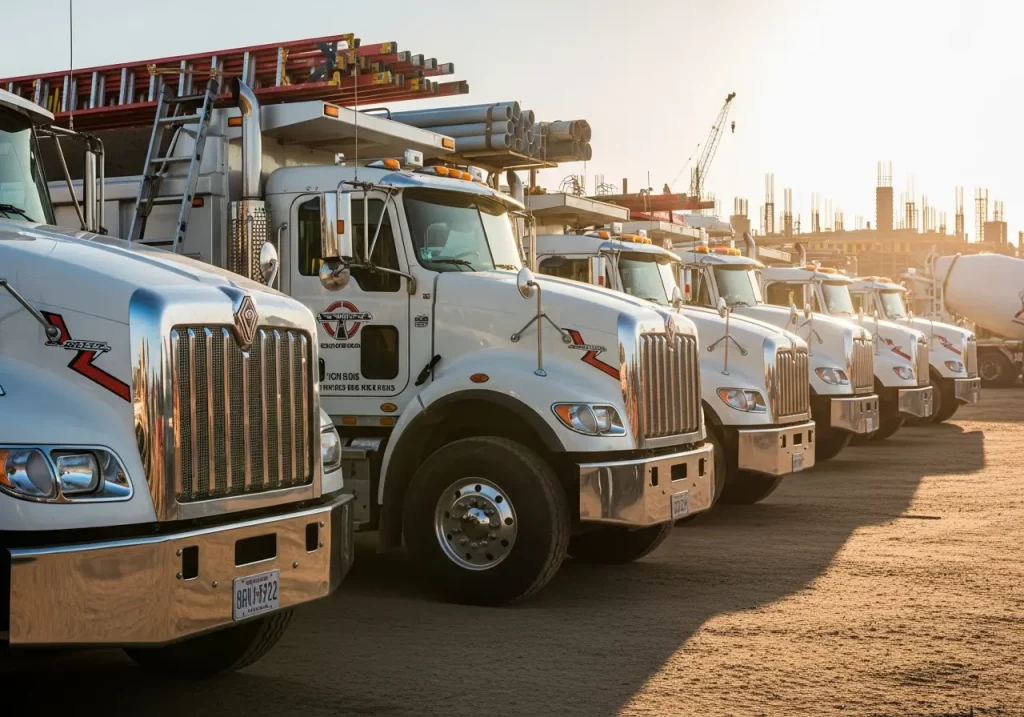
Personal auto insurance does not cover vehicles used for business. If a driver in your company truck causes an accident while hauling materials, your personal policy will deny the claim. Commercial auto covers vehicles owned by the business, employees who drive those vehicles, and in many cases employees who use their personal vehicles for work deliveries or site visits.

For GCs running multiple crews and multiple vehicles, fleet coverage is typically more cost-effective than individual commercial auto policies.

commercial auto insurance

Professional liability insurance

Professional liability coverage, also known as errors and omissions insurance, protects contractors who provide professional services such as design, project management, or consulting. This policy covers claims arising from mistakes, negligence, or failure to meet contractual obligations.

If a client sues because your professional advice caused them financial losses, professional liability insurance pays for your legal defense and any settlements.

professional liability insurance

Inland Marine Insurance (tools and equipment coverage)

Construction businesses invest heavily in tools and equipment. A standard property policy covers equipment at a fixed location. Inland marine covers it wherever it goes: in transit, stored at a job site, or left in a truck overnight. Theft from job sites is one of the most frequent claims in the construction industry. Coverage is typically written at replacement cost rather than cash value, which, on equipment that depreciates quickly, is a meaningful difference when a claim gets filed.

Inland Marine Insurance

Commercial property insurance

If your contractor’s business operates from a physical location like an office or warehouse, commercial property insurance protects that building and everything inside it. This coverage pays for damage from fire, storms, theft, and other covered events.

Commercial Property Insurance

Contractor insurance and bodily injury protection

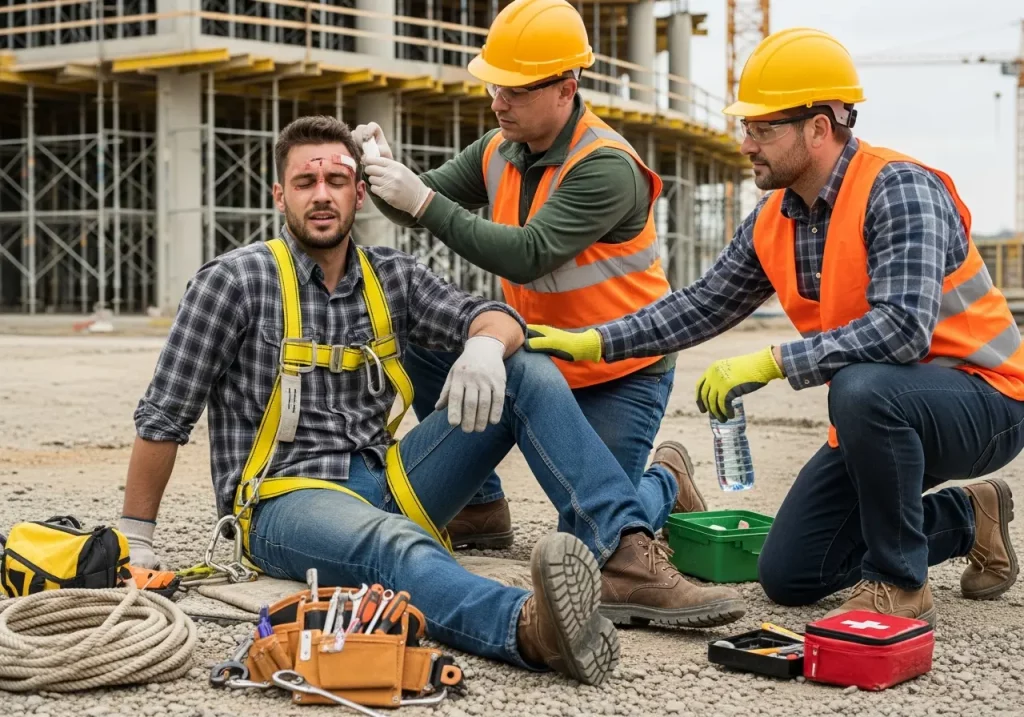
Construction sites present constant risks for bodily injury. Heavy equipment, power tools, scaffolding, and hazardous materials create dangerous conditions that can injure workers and bystanders alike.

When someone gets hurt because of your construction activities, the financial consequences can be severe. Medical costs for serious injuries easily reach tens of thousands of dollars. Add legal fees and potential settlements, and a single accident could bankrupt an uninsured contractor.

Your general liability coverage steps in to cover medical costs and legal fees when third parties suffer bodily injury at your job site. Workers compensation handles workplace injuries to your employees. Together, these policies provide comprehensive financial protection against injury claims.

Construction insurance for advertising injury claims

Personal and advertising injury coverage protects your business from non-physical harm claims. While less common than property damage or bodily injury claims, advertising injury lawsuits can still create significant financial losses for contractors.

Your general liability policy covers advertising injury claims including copyright infringement, defamation, and invasion of privacy. For example, if you use a photo of a completed project on your website without the homeowner’s permission and they sue for privacy violation, your insurance provides coverage.

Surety bonds for general contractors

Many project owners and government agencies require contractors to obtain surety bonds before starting work. These bonds guarantee that you will complete the project according to your contractual obligations and pay your subcontractors and suppliers.

FarmerBrown.com handles all your bond needs quickly and efficiently. Common bond types include:

License and permit bonds

License and permit bonds

Required by many cities before issuing permits or contractor licenses.

Payment and performance bonds

Payment and performance bonds

Guarantee that you will complete the contracted work and pay your subcontractors, suppliers, and laborers. Bond pricing is separate from insurance and depends on the contract amount, project requirements, and credit history.

Payment and performance bonds

Bid bonds

Guarantee you will honor your bid if awarded the contract.

How much does general contractors insurance cost in 2026

General liability runs approximately 0.75% of annual revenue. The table below shows 2026 estimates by revenue tier.

Annual RevenueEstimated Annual Premium
Under $150,000$1,600 minimum
$150,000 to $500,000$1,600 to $3,750
$500,000 to $1,000,000$3,750 to $7,500
$1,000,000 to $5,000,000$7,500 to $37,500

These figures are for general liability only. Workers compensation, commercial auto, inland marine, and bonds are priced separately and add to the total.

Annual revenue

Annual revenue

Higher revenue means more exposure and higher premiums.

Claims history

Number of employees

More workers create more risk for your insurance company.

Claims history

Claims history

A clean three-year record is the most effective way to keep premiums low. One major claim can raise rates 25% to 40% at renewal.

Type of work

Type of work

Residential remodeling is cheaper than commercial new construction. Ground-up builds are cheaper than demolition.

Coverage limits

Coverage limits

Most contracts require $1,000,000 per occurrence and $2,000,000 aggregate. Municipal and federal contracts often require $5,000,000, typically achieved by combining a standard policy with a commercial umbrella.

Deductible amount

Deductible amount

Higher deductibles lower your premium but increase out-of-pocket costs when you file a claim.

Business location

Business location

States like California and New York have higher rates than Texas or Indiana. Working in major cities like New York City can triple your premium.

Insurance requirements for subcontractors and independent contractors

Get a certificate of insurance from every subcontractor before they start. Verify it shows active coverage, not an expired policy. Request to be named as an additional insured on their general liability policy. Keep those certificates on file.

When your carrier audits the policy, payments to subs who can’t produce certificates get added to your payroll. On a large project with multiple subs, that can generate a significant additional premium bill. Getting the paperwork upfront costs nothing. The audit bill does not.

What "licensed, bonded, and insured" means

Licensed means the contractor holds a valid state or local license for the type of work they perform. Bonded means they carry a surety bond, usually a license and permit bond that protects the public if the contractor fails to deliver. Insured means active general liability and typically workers compensation. All three together mean there is financial recourse if something goes wrong. Many property owners and project managers will not hire a contractor who cannot confirm all three.

Why choose farmerbrown.com for contractor insurance?

Licensed in All 50 States

We can insure your business no matter where you operate.

Same-Day Service

Get your insurance coverage and certificates when you need them.

Free certificates of insurance

We never charge for COIs and deliver them within an hour in most cases.

A+ Rated with the BBB

Our reputation for client trust and service speaks for itself.

A-Rated Insurance Companies

We work with financially strong carriers that pay claims quickly.

Hard-to-place risks

If other agencies have turned you down, we can often find coverage.

Multilingual service

We serve clients in English, Spanish, and Chinese.
Frequently Asked Questions:

Does my general contractor insurance policy cover subcontractors?

Some policies offer coverage for uninsured subcontractors, but this is generally not a good idea. You become responsible for any general liability claims they cause. Always require subcontractors to carry their own insurance and provide a certificate naming you as additional insured. This protects your business and keeps claims off your policy.

This phrase tells potential clients that you have the proper contractor license, a surety bond, and liability insurance. It builds client trust and gives you a competitive advantage. Even if your state does not require a bond, you can purchase an employee dishonesty bond for less than $200 to legitimately use this marketing phrase.

If you provide professional services like design work, consulting, or project management, professional liability insurance protects you from claims of negligence or errors. General liability insurance does not cover professional mistakes that cause financial losses to clients.

Most contractors should carry at least $1 Million per occurrence and $2 Million aggregate limits. Avoid policies with lower limits like $300,000/$600,000. You might save $100 in premium, but in today’s lawsuit environment, it does not take much of a claim to exceed $300,000. Project owners often require $1 Million minimum coverage before allowing you on the job site.

FarmerBrown.com never charges for certificates of insurance. Our dedicated team delivers your certificate in under an hour in almost all cases. Fast COI turnaround helps you start projects without delays.

Requirements vary by state and locality. Even when not required by state law, most cities require proof of general liability insurance before issuing building permits. Many project owners also require contractors to show insurance coverage before starting work. Regardless of legal requirements, protecting your business from financial losses makes insurance a smart investment.

Do you still have some questions?

Find us FarmerBrown Insurance icon

Find us NOW!

We are located in 21750 Hardy Oak Blvd Ste. San Antonio, TX, 78258

Frequently Asked Questions icon

Frequently Asked Questions

A place where you can find all the answers

Talk With An Agent Now icon

Talk With An Agent Now

Let’s figure out how we can help you